YouTube just changed the game. If you're earning money from videos, pay attention—because one wrong move can wipe out your entire income stream. Between October and December 2024, YouTube removed over 2.9 million videos in India alone, marking the highest number of takedowns for any country on the platform. Globally, the situation is even more chaotic, with automated systems flagging over 99.7% of violations without human intervention.
The frustration among creators is real. High-profile channels with hundreds of thousands of subscribers are vanishing overnight. Some creators claim their channels were banned due to mysterious connections to unrelated foreign channels they've never heard of. Others are watching their monetization disappear for reasons that seem completely arbitrary—like using AI tools, making reaction videos, or simply discussing controversial topics.
The bottom line: YouTube's demonetization and removal policies have become increasingly aggressive in 2025, and creators need to understand exactly what triggers these actions—and what to do about them.
What Actually Is YouTube Demonetization?
Demonetization means YouTube removes your ability to earn ad revenue from a video or your entire channel. When ads disappear, so does your income—but here's the twist: the video doesn't necessarily get deleted. You can keep uploading, but YouTube stops paying you.
This is different from video removal, where YouTube takes the content down completely. Demonetization is YouTube's way of saying "we don't trust your content enough for ads," while removal means "this content violates our rules so badly it cannot exist here."
The Core Problem: YouTube Prioritizes Advertisers Over Creators
Here's the uncomfortable truth that most YouTube articles won't tell you directly: YouTube's primary revenue stream is advertising, not creator payments. Advertisers are YouTube's most valuable audience, and YouTube will protect them at all costs.
When your video gets demonetized, it's because YouTube's algorithm (or a human reviewer) decided that the content could damage an advertiser's brand reputation. A gaming channel showing violence? Bad for luxury brands. A channel discussing mental health with mature language? Bad for family-friendly products. A reaction channel that barely adds commentary? Bad for authentic content-focused advertisers.
The system is designed to maximize advertiser comfort—even if it means punishing creators who spent weeks producing legitimate content.
8 Reasons YouTube Demonetizes Videos Right Now (2025)
1. Profanity and "Inappropriate" Language
YouTube's algorithm is surprisingly sensitive to strong language. While moderate profanity like "shit" or "bitch" now gets limited ads instead of full demonetization (thanks to 2023 policy updates), extreme profanity, slurs, and racial epithets still trigger full demonetization.
The tricky part? Context doesn't always matter to the bot. A history channel explaining the context of a slur might get flagged the same way as someone using it hatefully.
Pro tip: Keep your titles, descriptions, thumbnails, and first 30 seconds of videos as clean as possible. That's where YouTube's initial scan focuses.
2. Violence and Graphic Content
Videos showing fights, accidents, blood, gore, or harmful acts get immediate demonetization. This includes even educational content—a farm channel explaining animal husbandry, a history channel showing historical violence, or a news channel covering warfare can all get hit.
3. Adult Content and Clickbait Thumbnails
Sexually explicit content, nudity, or thumbnails featuring scantily-clad women predictably get demonetized. But there's a grey area here: suggestive content (without explicit nudity) might trigger limited ads or false positives.
4. Community Guidelines Violations (Hate Speech, Harassment, Misinformation)
This is the big one. Content that promotes hate against groups, harasses individuals, or spreads dangerous misinformation gets completely wiped from monetization. YouTube removed over 2.9 million videos from India alone for violations including harassment (6.6%), child safety (5.9%), and violent content (3.7%).
5. Copyright Strikes and Content ID Claims
Here's where things get complicated. A single copyright strike from a copyright holder (called a "takedown") technically only removes that specific video. However, YouTube may re-review your entire channel's monetization status to check for patterns of copyright abuse.
Three copyright strikes? Your channel gets automatically demonetized and terminated. You'll need to wait for those strikes to expire (usually 3 months) before reapplying for monetization.
Content ID claims are different—they're automated matches on audio or video. The copyright holder can choose to block your video, monetize it themselves, or just track it. The video usually stays up.
6. Repetitive, Reused, and "Unoriginal" Content (The 2025 Game-Changer)
This is YouTube's aggressive new policy that's catching everyone off-guard. Starting July 15, 2025, YouTube cracked down hard on what it calls "mass-produced" and "repetitive" content.
Reaction videos without substantial original commentary? Risky. AI-generated listicles with text-to-speech narration? At serious risk of demonetization. Compilations of other creators' clips? Demonetized. Upload the same basic video format 50 times with minor tweaks? You've got a problem.
YouTube's logic is sound from a business perspective: mass-produced, low-effort content dilutes platform quality and gives advertisers fewer premium placements. But creators who built channels around reaction content and compilations are furious.
The requirement: You must add clear, transformative value. That means:
Substantial original commentary (not just nodding along)
Significant editing and reformatting
Unique perspective or analysis
Original footage or creation
7. AI-Generated and Synthetic Content
YouTube is now explicitly targeting AI-generated videos flagged as inauthentic. Using an AI voice for narration? That's okay—if the rest of the video is original. But AI-generated commentary on Wikipedia text copied verbatim? That gets demonetized.
Additionally, YouTube is preparing to label deepfakes and cloned voices in compliance with the proposed NO FAKES Act. Videos that mislead audiences about AI usage face demonetization.
8. Controversial or Sensitive Topics
This is the vague one that drives creators crazy. Videos about ongoing wars, political elections, health crises, or social justice movements can trigger demonetization if they touch controversial angles. Advertisers hate controversy, so YouTube's algorithm defaults to caution.
Even educational content about LGBTQ+ issues, racism, or poverty has been disproportionately demonetized—research shows creators producing content about marginalized communities face algorithmic bias in demonetization decisions.
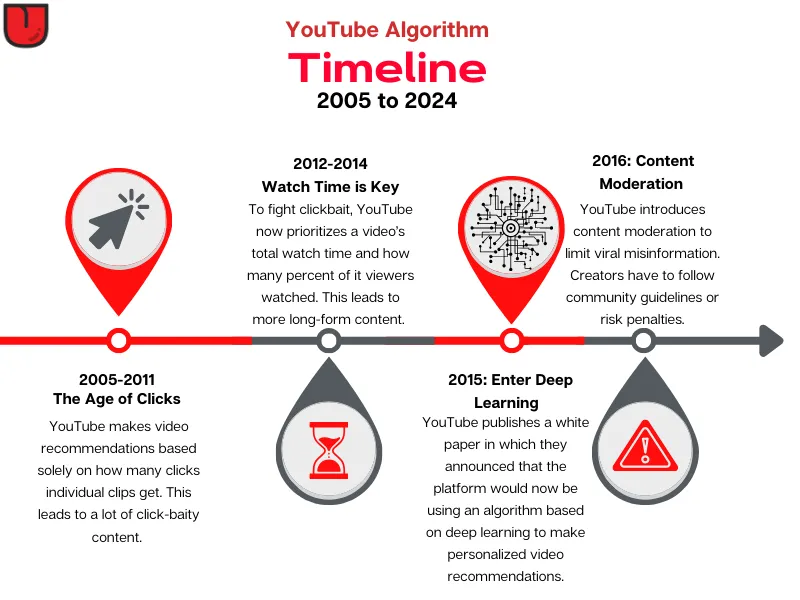
The Scary New Policies Hitting Creators in 2025
YouTube's Circumvention Policy: The Nuclear Bomb
YouTube's circumvention policy is ruthless. If one of your channels gets terminated, YouTube will terminate all your existing channels and automatically delete any new channels you create. The platform tracks all accounts associated with your Google account, so you can't just restart.
Recent cases show creators with 350,000+ subscribers (like Enderman) getting hit with mysterious bans—sometimes linked to unrelated channels they never even knew about.
The AI Moderation Problem
Here's the frustration: Over 99.7% of content moderation decisions are made by AI with minimal human review. When the bot is "highly confident" of a violation, it can take automated action without a human ever looking at your video.
This has led to bizarre situations where multiple large channels were terminated over alleged connections to random foreign channels, with creators receiving no clear explanation. The appeal process is also increasingly automated, leading creators to question whether their appeals are even reviewed by humans.
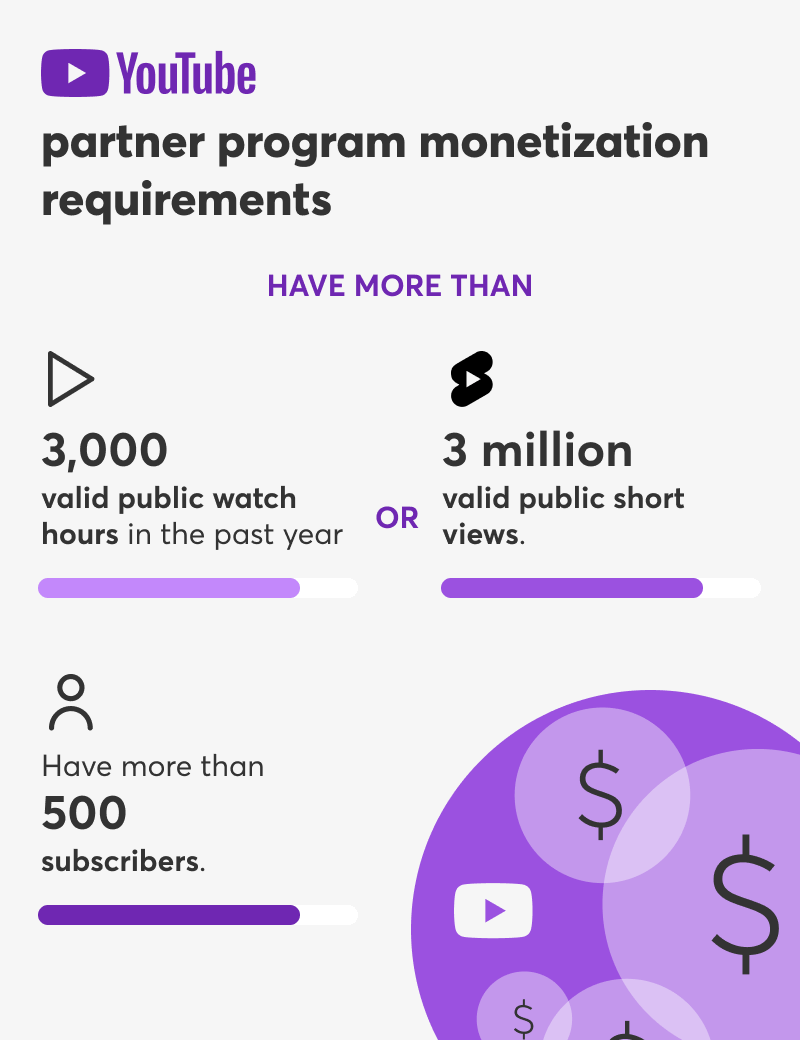
YouTube's Monetization Requirements (Updated 2025)
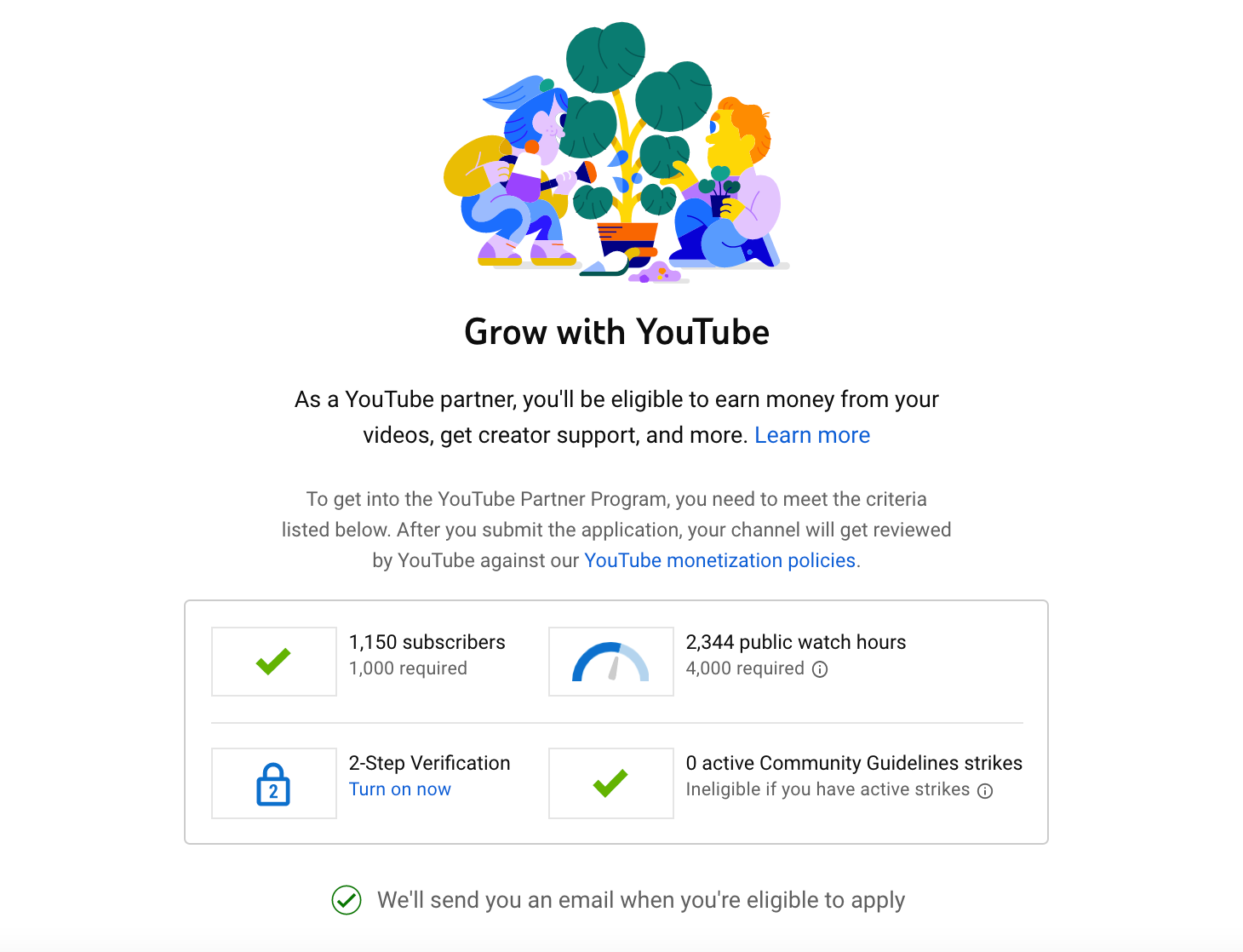
Before your video can even be demonetized, you need to meet these thresholds:
Requirement | Threshold |
|---|---|
Subscribers | 1,000 minimum |
Watch Hours | 4,000 in past 12 months OR |
Shorts Views | 10 million in past 90 days |
Community Guidelines | Zero active strikes |
Account Status | 2-step verification enabled |
Once you meet these requirements and join the YouTube Partner Program, your videos are eligible for monetization—and therefore eligible for demonetization if you violate policies.
Frequently Asked Questions
How to Recover from Demonetization: The Real Steps
Step 1: Understand What You Did Wrong
Go to YouTube Studio → Monetization tab and read exactly which policies were flagged. Don't guess—read the specific policy documentation on YouTube's support pages.
Step 2: Fix the Content
For profanity: Re-upload with censored words or re-record with cleaner language
For copyrighted music: Replace with royalty-free audio from YouTube's Audio Library
For repetitive content: Add 15-30% original commentary, edit the reused clips, provide new analysis
For copyrighted video: Delete or get written permission from copyright holder
For policy violations: Delete or edit out the violating segment and reupload
Important: Don't just delete the video. The strike stays unless you successfully appeal or request removal of the strike specifically.
Step 3: File an Appeal (If Applicable)
For Community Guidelines strikes, go to YouTube Studio → Channel violations → Appeal. You have 6 months from the strike date. Be specific about why you believe the content doesn't violate policy.
For demonetization without a strike, simply appeal through the monetization section with details about changes made.
Step 4: Wait and Reapply
If your channel was removed from the Partner Program, you can reapply after 90 days if you've fixed the issues. YouTube typically takes about one month to review your new application.
Step 5: Use the Dispute Process
If you believe the decision was wrong, creators report success using specific dispute processes through YouTube Creator Support. However, success rates aren't published—some creators get remonetized within hours, others wait months.
The Shocking Stats: Who's Really Getting Hit
India: 2.9 million videos removed in Q4 2024 alone (highest globally)
Primary reason globally: Spam, misleading content, and scams (81.7% of removals)
Automated detection: 99.7% of all violations caught by AI, not humans
Channels terminated in Q4 2024: 4.8 million for spam policies alone
Gaming channels affected: Despite being one of YouTube's biggest categories, gaming videos face repeated false-positive demonetization
Why YouTube Actually Demonetizes: The Uncomfortable Truth
YouTube isn't trying to be unfair. The company faces immense pressure from advertisers, governments, and advocacy groups to police content at scale. Demonetization and removal are cheaper and faster than human review, which is why YouTube has automated 99.7% of decisions.
The real problem? Algorithmic scale destroys nuance. A history video, an educational video, a news report, and a hateful video using the same controversial word look identical to a bot. Context gets lost.
Additionally, YouTube is dealing with a genuine problem: the platform is drowning in low-effort, mass-produced content. AI-generated videos, reaction compilations, and repetitive uploads are algorithmically cheaper to produce than ever, and they genuinely hurt the platform's quality. So YouTube's 2025 crackdown, while harsh, is aimed at an actual problem.
The victims, unfortunately, are often creators producing legitimate content about marginalized communities, educational content with necessary context, or small creators who can't navigate appeals.
The Bottom Line for Creators in 2025
YouTube's demonetization policies are getting stricter, not easier. The platform's focus on "authenticity" and "original value" means:
Reaction channels need substantial commentary or accept monetization risk
AI tools require transparency and clear human creativity on top
Copyright protection is increasingly aggressive—one accidental use of a clip can cascade into strikes
Appeals are mostly automated, making it critical to fix problems before appealing
Recovery is possible but difficult, with demonetized videos seeing 90% view drops
The best defense? Create authentically. Add genuine value to your content, follow community guidelines religiously, use royalty-free music, and disclose AI usage where relevant.
And if you do get demonetized? Don't panic. Hundreds of creators successfully appeal each month. But you'll need to be specific about what you fixed, patient during review, and realistic about recovery times.
Your channel is your business. Treat it like one—and YouTube might just let you keep earning from it.