
In a moment that sent shockwaves through the entertainment world, Kim Kardashian dropped a bombshell health revelation during the Season 7 premiere of "The Kardashians" on Hulu. The 45-year-old reality star and business mogul disclosed that doctors discovered a small brain aneurysm during a routine MRI scan—and she's pointing directly at stress as the culprit, particularly from her tumultuous divorce from rapper Kanye West.
The raw, emotional moment aired on October 23, 2025, showing Kim entering an imaging scanner and later telling her family, "There's like a little aneurysm". Her sister Kourtney Kardashian Barker's stunned "Whoa" reaction captured what millions of fans felt watching at home.
The Stress Connection: How Kim's Life Took a Toll
Kim didn't hold back about what she believes caused her condition. "They were like, 'Just stress,'" she revealed, referring to her doctors' assessment. The reality star broke down emotionally discussing the years-long strain from her contentious relationship with her ex-husband, now known as Ye.
"I'm more stressed just because I have to protect my kids," Kim shared through tears. "Everyone around me can handle [the drama], but I want to shield my little ones. They will eventually learn things. They will grow up and witness it". The couple shares four children: North (12), Saint (9), Chicago (7), and Psalm (6).
The divorce, which was finalized in November 2022 after nearly two years of legal proceedings, marked the end of their eight-year marriage that began in 2014. Kim filed for divorce in February 2021, seeking joint custody of their children.
"People think that I have the luxury of just walking away," Kim stated in the preview clip. "My ex will be in my life no matter what. We have four kids together". She went on to describe feeling a form of "Stockholm syndrome" during her relationship with Ye, where she felt accountable for his actions.
Understanding Brain Aneurysms: The Silent Threat
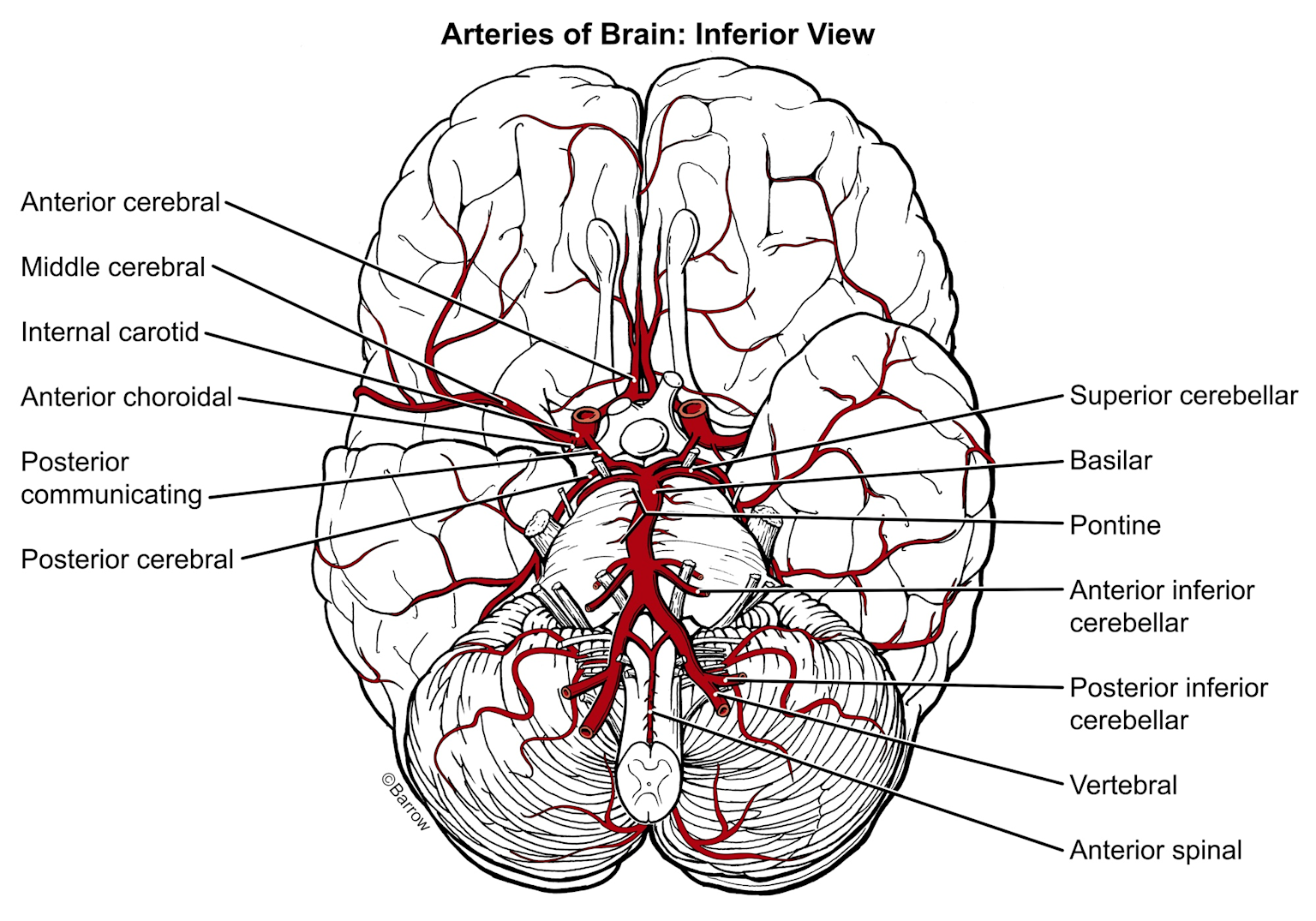
A brain aneurysm is far more common than most people realize—and Kim's diagnosis is shining a spotlight on this potentially deadly condition. Here's what you need to know:
What Exactly Is a Brain Aneurysm?
A brain aneurysm occurs when a blood vessel in the brain develops a weak area that bulges out and fills with blood, creating a balloon-like expansion. According to the Mayo Clinic, if an aneurysm ruptures, it can cause bleeding in the brain, known as a hemorrhagic stroke.
How Common Are They?
The statistics are staggering. An estimated 6.8 million people in the United States have an unruptured brain aneurysm—that's approximately 1 in 50 people. About 30,000 Americans suffer a brain aneurysm rupture each year, meaning one ruptures every 18 minutes.
Who's at Risk?
Women are significantly more vulnerable than men, with a 3:2 ratio. The condition is most prevalent in people ages 35 to 60, with women over 55 facing about 1.5 times the risk of rupture compared to men. African-Americans and Hispanics are approximately twice as likely to experience a brain aneurysm rupture compared to Caucasians.
The Stress Factor: Can It Really Cause Aneurysms?
While Kim attributes her diagnosis to stress, the medical reality is more nuanced. Dr. Brian Snelling, director of cerebrovascular and endovascular neurosurgery at Marcus Neuroscience Institute, explained to CBS News: "It is not proven that stress alone causes an aneurysm".
However, stress plays a significant indirect role. "The real culprits are genetics, elevated blood pressure, smoking and age-related changes in the arteries," Snelling noted. Chronic stress triggers a cascade of physiological responses, including the release of hormones like cortisol and adrenaline, which can lead to increased blood pressure and heart rate.
Research indicates that chronic stress may be a contributing factor to aneurysm development. A 2023 study published in the National Institutes of Health examined 6.3 million U.S. Veterans and found that patients with brain aneurysms were significantly more likely to have a history of PTSD (odds ratio 1.48), major depressive disorder (odds ratio 1.33), generalized anxiety disorder (odds ratio 1.26), and other mood disorders.
Most critically, stress can cause an existing aneurysm to rupture. Acute stress results in a sudden spike in blood pressure, which can trigger a rupture in an aneurysm that may have been present for years without symptoms.
Symptoms Most People Miss
The terrifying reality about brain aneurysms is that most remain completely asymptomatic until they rupture or grow large enough to press on brain tissue.
Unruptured Aneurysm Warning Signs:
Pain above and behind the eye
Dilated pupil
Change in vision or double vision
Numbness of one side of the face
Weakness or paralysis on one side
Seizures
Ruptured Aneurysm Emergency Symptoms:
Sudden, severe headache (often described as "the worst headache ever experienced")
Nausea and vomiting
Stiff neck
Blurred or double vision
Sensitivity to light
Loss of consciousness
Seizures
Confusion
A ruptured aneurysm is a medical emergency. About 50% of ruptured brain aneurysms are fatal, and approximately 15% of people die before reaching the hospital.
Treatment Options: What Happens Next
For someone like Kim with a small, unruptured aneurysm, doctors typically weigh several factors before recommending treatment, including the aneurysm's size, location, shape, the patient's age, and overall health.
Treatment approaches include:
Monitoring and Observation
For small aneurysms under 7mm with low rupture risk, doctors often recommend regular imaging surveillance—typically at 6-12 months initially, then annually or every two years. Managing risk factors like blood pressure, quitting smoking, and stress reduction become crucial.
Surgical Clipping
This traditional approach involves opening the skull (craniotomy) and placing a metal clip at the base of the aneurysm to cut off blood flow.
Endovascular Coiling
A less invasive procedure where a catheter is threaded through the femoral artery to the brain, and tiny platinum coils are inserted into the aneurysm to block it off. About 50% of aneurysms are now treated through this endovascular approach.
Flow-Diverting Stents
Newer technology that redirects blood flow away from the aneurysm, promoting healing.
Kim's Health Journey: More Than Just One Diagnosis
This isn't the first time Kim has opened up about health struggles linked to stress. In the same Season 7 premiere, she revealed that her psoriasis—a chronic skin condition—has returned for the first time since her divorce.
"I mean, I have psoriasis again," Kim disclosed, explaining that the condition flares up during periods of heightened stress. "I felt more pressured, probably because I had to fiercely protect what I needed to protect".
The reality star has been vocal about her advocacy for full-body MRI scans, which is how her aneurysm was discovered. However, some medical experts caution that such comprehensive screenings may not be beneficial for every patient, as they can lead to unnecessary anxiety or procedures.
Prevention: What You Can Do
While there's no guaranteed way to prevent a brain aneurysm, medical experts emphasize several key strategies to reduce risk:
Critical Prevention Steps:
Quit smoking – This is the single most important factor, as smoking significantly increases aneurysm risk
Manage blood pressure – Strict blood pressure control is vital
Maintain a healthy diet – Focus on anti-inflammatory foods rich in omega-3 fatty acids, vitamin C, B vitamins, and antioxidants
Avoid recreational drugs – Particularly cocaine and stimulants that spike blood pressure
Reduce stress – Implement healthy coping strategies like exercise, meditation, and therapy
Limit alcohol consumption – Excessive drinking can increase blood pressure
Consider screening if high-risk – Individuals with a family history should discuss MRA (magnetic resonance angiography) screening with their doctor
The Broader Impact: Raising Awareness
Kim's public disclosure has sparked important conversations about stress, mental health, and cardiovascular wellness. With her massive platform—she has over 360 million Instagram followers—her vulnerability in sharing this diagnosis could encourage others to prioritize their health and seek medical attention for concerning symptoms.
"This study, the largest of its kind, further suggests links between psychiatric disorders and stroke," noted researchers in the Veterans Affairs study on brain aneurysms and mental health. "This is important as patients with aneurysms are not routinely screened for such psychiatric risk factors".
Looking Ahead
As Season 7 of "The Kardashians" continues to unfold on Hulu (premiering new episodes on Thursdays), viewers will likely see more of Kim's health journey and how she manages this diagnosis while balancing her roles as a mother of four, business mogul of her SKIMS empire, and law school student.
The diagnosis serves as a powerful reminder that stress isn't just "in your head"—it manifests in real, potentially dangerous physical ways. Kim's experience underscores the critical importance of managing stress, prioritizing mental health, and not ignoring warning signs our bodies send us.
For the millions of Americans living with undiagnosed brain aneurysms right now, Kim's story might just be the wake-up call that saves lives.