
The entertainment world was left stunned when 23-year-old actress Isabelle "Izzy" Tate passed away on October 19, 2025, just days after making her television debut on ABC's hit series 9-1-1: Nashville. Her talent agency, The McCray Agency, confirmed on October 23 that Tate died from complications related to a rare form of Charcot-Marie-Tooth disease, a genetic neurological disorder that had been affecting her since childhood.
Tate's story has brought much-needed attention to this often-overlooked condition that affects an estimated 2.6 million people worldwide, yet remains largely invisible in public discourse.
A Promising Career Cut Short
Isabelle Tate embodied the spirit of perseverance. The Nashville native had recently graduated from Middle Tennessee State University with a business degree before returning to her passion for acting. Her debut role in 9-1-1: Nashville—the first series she ever auditioned for—aired on October 9, 2025, just ten days before her death.
In the pilot episode, Tate portrayed Julie, a young woman using a wheelchair at a club who faces discrimination from another patron. The role held particular significance as it mirrored her own lived experience with disability. According to those who worked with her on set, Tate brought authenticity and joy to the production, thoroughly enjoying her time filming in June 2025.
"Isabelle was full of fire, a fighter, never once making excuses for the fact that she might have a disability relative to others," her obituary read. Beyond acting, Tate was musically talented, spending hours writing and recording songs with friends and even publishing a few tracks.
Understanding Charcot-Marie-Tooth Disease
Charcot-Marie-Tooth disease, commonly abbreviated as CMT, is a group of inherited disorders that cause progressive nerve damage, primarily affecting the peripheral nerves in the arms and legs. Named after the three physicians who first described it in 1886—Jean Martin Charcot and Pierre Marie in Paris, and Howard Henry Tooth in Cambridge, England—CMT is also known as hereditary motor and sensory neuropathy.
Despite being one of the most common inherited neurological disorders, CMT remains remarkably under-recognized. Recent prevalence estimates suggest approximately 17.69 per 100,000 people are affected globally, with CMT1 being the most common subtype accounting for 70-80% of all cases.
How CMT Affects the Body
CMT damages the myelin sheath (the protective coating around nerve fibers) or the nerve axons themselves, disrupting communication between the brain and muscles. Over time, this nerve damage causes progressive muscle weakness and atrophy, particularly in the extremities.
The disease typically manifests with symptoms beginning in the feet and legs during adolescence or early adulthood, though onset can occur at any age. As CMT progresses, weakness may spread to the hands and arms, making everyday activities increasingly challenging.
Recognizing the Symptoms of CMT
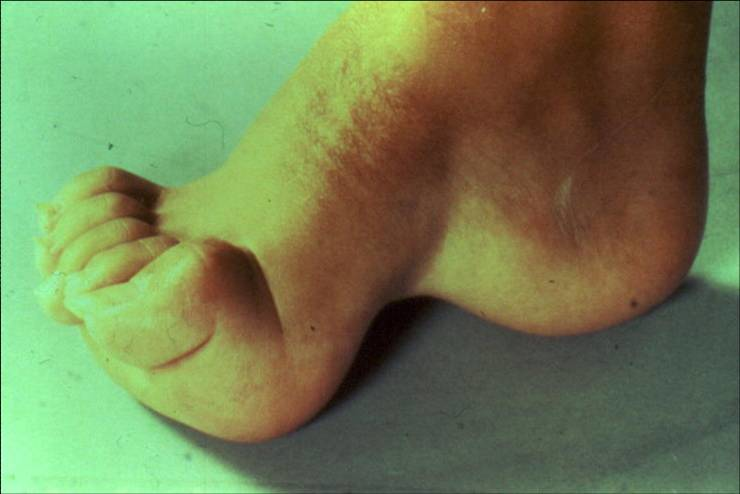
The symptoms of Charcot-Marie-Tooth disease vary significantly from person to person, even among family members with the same genetic mutation. Common signs include:
Lower Extremity Symptoms:
Muscle weakness in feet, ankles, and lower legs
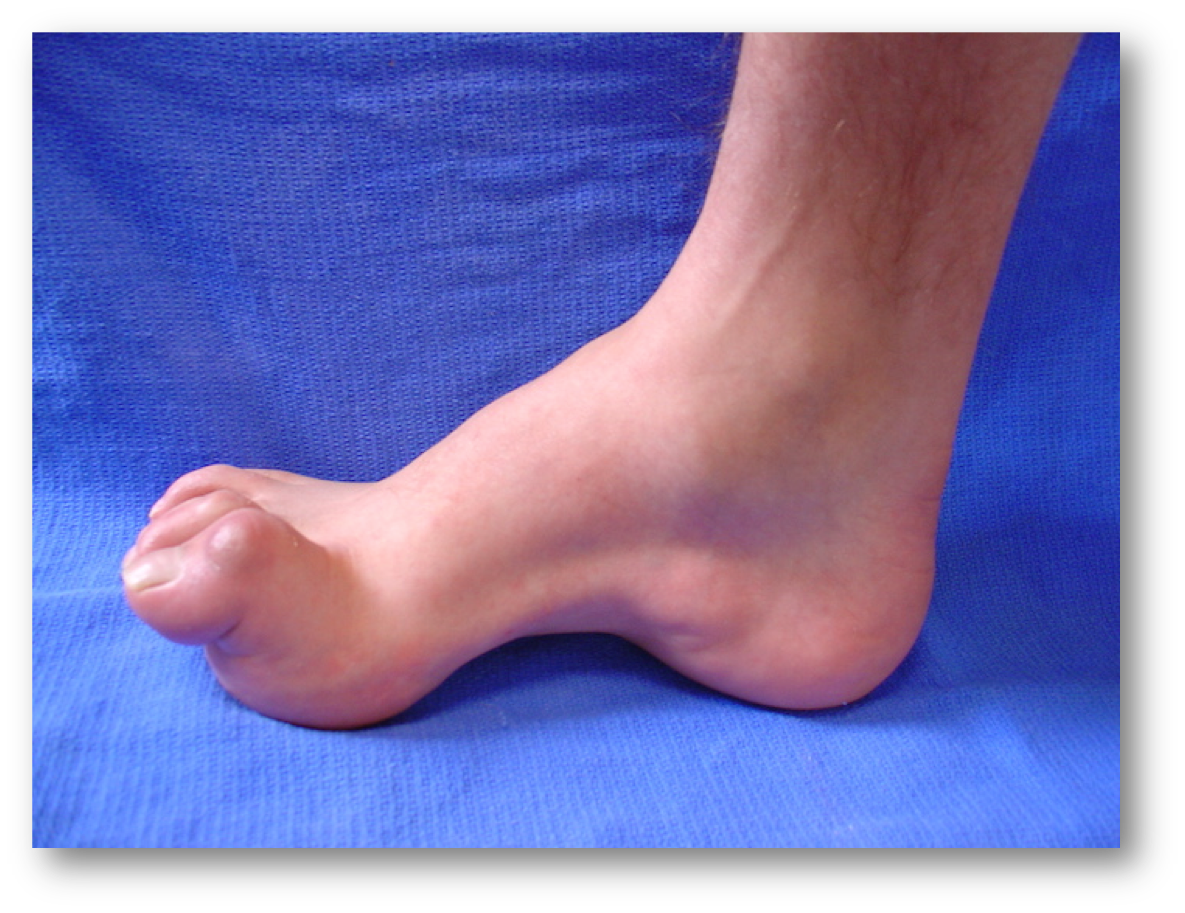
High-arched feet (pes cavus) or flat feet
Hammertoes or curled toes
Foot drop—difficulty lifting the foot at the ankle
Distinctive "stork leg" or "inverted champagne bottle" appearance due to muscle atrophy in the lower legs
Awkward or high-stepping gait
Upper Extremity Symptoms:
Hand weakness and clumsiness
Difficulty with fine motor tasks like handwriting
Muscle wasting in the hands
Sensory Issues:
Loss of sensation in feet and hands
Numbness or tingling
Reduced ability to feel heat, cold, and pain
Cold hands and feet due to poor circulation
Other Complications:
Balance problems and frequent falls
Chronic fatigue from the extra effort required for movement
In rare cases, breathing difficulties, speech problems, or swallowing issues
Isabelle's Journey: Diagnosed at 13
In a deeply personal Instagram post from 2022, Isabelle Tate courageously shared her diagnosis story with the world. She revealed that she was diagnosed with CMT at age 13, though she didn't fully understand what it meant at the time.
"When I was first diagnosed, I didn't fully comprehend what it was or grasp what it could be," Tate wrote. "Over the years, I was going through life with my family and they would notice things get difficult for me, but not so much where it stood out significantly."
As her condition progressed into her twenties, Tate acknowledged the difficult reality: "Recently, it really progressed and I've come to terms that if I want to live my life to the fullest I need to use a wheelchair at times. This has been a difficult journey for me because having to ask for help and adapt to the progression of this disease has been extremely hard".
Despite her challenges, Tate's message was one of acceptance and resilience. "I don't know why these were the cards I was dealt with in my life, but I can't change it, so I'm choosing to embrace it," she shared. "You never really know what someone else is going through, so please always be kind and compassionate".
The Genetics Behind CMT
CMT is predominantly an inherited disorder, with approximately 90% of individuals inheriting it from a parent, while the remaining 10% result from spontaneous genetic mutations. The disease can be inherited in three distinct patterns:
Autosomal Dominant Inheritance: One copy of a mutated gene from either parent is enough to cause the disease. If one parent has CMT, each child has a 50% chance of inheriting the condition.
Autosomal Recessive Inheritance: Two copies of the mutated gene (one from each parent) are required. Parents who are carriers typically don't show symptoms themselves. If both parents are carriers, each child has a 25% chance of developing CMT.
X-Linked Inheritance: The mutation occurs on the X chromosome. Males with the mutated gene typically experience more severe symptoms than females, who have a second X chromosome that may compensate. Fathers cannot pass X-linked CMT to their sons, but all daughters of affected fathers will carry one altered X chromosome.
More than 100 genes have been identified as causes of various CMT subtypes, though four genes comprise over 90% of genetically confirmed cases. Genetic testing through blood or saliva samples can identify many of these mutations, helping confirm diagnosis and guide family planning decisions.
Living with CMT: Prognosis and Management
While CMT has no cure, it's crucial to understand that the disease is generally not life-threatening and typically doesn't affect life expectancy in most cases. However, severe forms can cause significant complications, including respiratory issues if nerves controlling the diaphragm are affected.
The rate of progression varies considerably among different CMT types. Most people experience gradual worsening of symptoms over decades. Some individuals may never realize they have the disorder, while others face considerable physical challenges that impact mobility and daily activities.
Treatment and Supportive Care
Although no medications can reverse CMT, comprehensive management strategies can dramatically improve quality of life. The optimal approach involves a multidisciplinary care team including neurologists, genetic counselors, physical therapists, occupational therapists, and orthopedic surgeons.
Physical Therapy: Low-impact exercises like swimming, stretching, and moderate weight training help maintain muscle strength and prevent contractures (muscle shortening). Posture and balance exercises, including yoga, can also prove beneficial.
Orthopedic Interventions: Custom orthotics, ankle-foot braces, and specialized footwear provide support and improve gait stability. In some cases, surgical correction of foot deformities may be necessary to maintain mobility.
Assistive Devices: Wheelchairs, scooters, walkers, and canes enable greater independence and reduce fall risk.
Pain Management: While CMT itself doesn't typically cause pain, medications may help address neuropathic pain or discomfort from muscle imbalances.
Respiratory Support: For the rare cases involving breathing difficulties, devices like BiPAP or CPAP machines can provide essential respiratory support, especially at night.
Groundbreaking Research Offers Hope
The landscape of CMT research has evolved dramatically in recent years, with multiple promising therapeutic approaches in clinical trials.
PXT3003: This novel combination therapy of baclofen, naltrexone, and sorbitol has shown encouraging results in phase III trials for CMT1A, the most common form. The drug works by reducing PMP22 gene expression and promoting better myelination.
Gene Therapy: A recent clinical trial in South Korea tested a plasmid-based gene therapy delivering hepatocyte growth factor (HGF) to support nerve growth and blood flow in CMT1A patients. Unlike viral gene therapies, this approach can be administered multiple times without triggering immune responses.
Other Investigational Approaches: Researchers are exploring progesterone receptor antagonists, P2X7 receptor modulators, dietary lipid supplementation, and various compounds targeting the underlying molecular mechanisms of different CMT subtypes.
The CMT Research Foundation and Charcot-Marie-Tooth Association are at the forefront of funding translational research focused on bringing treatments from laboratory discoveries to clinical applications.
CMT in the Spotlight: Celebrity Advocates
Isabelle Tate joins a growing list of public figures who have helped raise awareness about Charcot-Marie-Tooth disease by sharing their personal experiences.
Alan Jackson: The country music legend publicly revealed his CMT diagnosis in 2021, explaining that the disease had been affecting his balance and stage performance for over a decade. Jackson inherited the condition from his father, and it also affected his grandmother and sister. In May 2025, he announced his retirement from touring, with his final concert planned for Nashville to raise funds for CMT research.
"I've been reluctant to talk about this publicly and to my fans," Jackson said when first revealing his diagnosis. "It's getting more and more obvious. And I know I'm stumbling around onstage. And now I'm having a little trouble balancing, even in front of the microphone, and so I just feel very uncomfortable".
Julie Newmar: The iconic actress who played Catwoman in the original Batman TV series has lived with CMT since birth, though her symptoms became more pronounced later in life. A former dancer, Newmar wears leg braces and has spoken positively about how CMT "opened up a whole new world of opportunities" for her.
Anthony Zahn: This Paralympic cyclist was diagnosed at age 16 but went on to win a bronze medal at the 2008 Beijing Olympics. He retired from competitive cycling in 2014, noting that while moderate exercise benefits people with CMT, his intense training may have exacerbated his condition.
The Importance of CMT Awareness
"CMT is not invisible because it is rare. It is invisible because no one talks about it," the Charcot-Marie-Tooth Association stated emphatically. This invisibility poses serious challenges for diagnosis, treatment, and research funding.
September is designated as CMT Awareness Month, during which organizations worldwide work to increase visibility of the disease through campaigns like #NowYouSeeCMT. These initiatives encourage people living with CMT to share their stories, helping others understand the daily realities of the condition.
Early awareness and diagnosis are critical. Many people with CMT go undiagnosed for years, missing opportunities for early interventions that could slow progression and prevent complications. Furthermore, increased public awareness drives research funding—donations made during CMT Awareness Month are often matched by organizations, doubling their impact on accelerating treatment development.
Support Resources for the CMT Community
For individuals and families affected by Charcot-Marie-Tooth disease, numerous organizations provide education, support, and community connection:
Charcot-Marie-Tooth Association (CMTA): The leading national voluntary health organization functioning as an educational resource for patients, families, and medical professionals. The CMTA funds research and accelerates drug development for CMT.
Hereditary Neuropathy Foundation (HNF): Offers an Inspire™ online support community with over 9,300 patient and caregiver members who have generated more than 100,000 posts sharing real-world experiences.
CMT Research Foundation: Focuses exclusively on delivering treatments and cures through strategic investments in translational research with the highest likelihood of leading to clinical trials.
Virtual Support Groups: Regular meetings hosted by organizations like HNF provide opportunities for adults with CMT to connect, learn from experts, and build support networks.
Honoring Isabelle's Legacy
In lieu of flowers, Isabelle Tate's family has requested that donations be made to the Charcot-Marie-Tooth Association to support research toward treatments and a cure. This request reflects Isabelle's own desire to raise awareness about CMT and help others facing the same challenges.
ABC's 9-1-1: Nashville plans to include an in memoriam tribute for Isabelle at the conclusion of an upcoming episode, ensuring her brief but impactful contribution to the series is remembered.
Isabelle is survived by her mother Katerina Kazakos Tate, stepfather Vishnu Jayamohan, father John Daniel Tate, and sister Daniella Tate. Those who knew her remember her as vibrant, passionate, and endlessly kind—someone who loved volunteering with animals and was always the life of the party.
"What she loved the most though was spending time with family and friends, always the life of the party. Her sister was her best friend and her mom was her shining beacon of light," her obituary beautifully captured.
Frequently Asked Questions
Moving Forward with Awareness and Hope
Isabelle Tate's tragic passing serves as a powerful reminder of the urgent need for CMT awareness, research funding, and therapeutic development. Her courage in sharing her journey publicly, even as she pursued her dreams despite her disability, exemplifies the resilience of the CMT community.
As research progresses and more public figures like Isabelle and Alan Jackson share their stories, the invisibility cloak surrounding Charcot-Marie-Tooth disease continues to lift. Each conversation, each shared experience, and each donated dollar brings the CMT community closer to effective treatments and, ultimately, a cure.
For anyone living with CMT or caring for someone with the condition, remember Isabelle's words: "You never really know what someone else is going through, so please always be kind and compassionate." In embracing both her challenges and her dreams, Isabelle Tate left an indelible mark on those who knew her and a legacy of awareness that will continue to benefit the CMT community for years to come.
If you or a loved one has been diagnosed with CMT, reach out to support organizations, connect with others facing similar challenges, and remember that while the journey may be difficult, you don't have to walk it alone.
To learn more about Charcot-Marie-Tooth disease or to support research efforts, visit the Charcot-Marie-Tooth Association at cmtausa.org or the CMT Research Foundation at cmtrf.org.